Tips & Advice From West Haven Foot and Ankle Center

Verruca Removal Options at West Haven Foot and Ankle Center
Verruca Removal Options at West Haven Foot and Ankle Center
At the West Haven Foot and Ankle Center in West Haven, Connecticut, we are committed to providing our patients with expert care for a variety of foot conditions, including verrucas, commonly known as plantar warts. Understanding the nature of these common foot growths and the various removal options available can help patients make informed decisions about their treatment. This comprehensive guide will walk you through what causes verrucas, the treatment options we offer, and how to care for your feet post-treatment.
What are Verrucas?
Verrucas, or plantar warts, are benign growths that arise on the soles of the feet due to an infection with the human papillomavirus (HPV). They can present as small, rough lesions that may have a pattern of tiny black dots, which are small blood vessels. Understanding these characteristics can help differentiate verrucas from other foot conditions, such as calluses or corns.
What Causes Verrucas?
Verrucas are caused by the human papillomavirus (HPV), which enters the skin through small cuts or abrasions on the bottom of the feet. The virus thrives in moist environments—commonly encountered in public places such as swimming pools, locker rooms, and communal showers. Certain factors can increase your risk of developing verrucas:
- Weakened immune system
- Previous history of verrucas
- Walking barefoot in communal areas
- Moist skin environments
How Can I Treat Verrucas?
At West Haven Foot and Ankle Center, we offer several effective treatments for verruca removal. Options may vary based on the severity of the warts and patient preferences. Below are the most common treatments available:
Topical Treatments
Prescription-strength topical treatments containing salicylic acid or other keratolytic agents can help in gradually peeling away the verruca. Regular application is essential for effectiveness.
Cryotherapy
This treatment involves freezing the verruca with liquid nitrogen, which causes the wart tissue to die and eventually fall off. Cryotherapy is quick and generally well-tolerated by patients.
Laser Therapy
Laser treatment targets the blood vessels that supply the verruca, effectively destroying it without damaging surrounding tissue. This method is especially useful for stubborn verrucas that have not responded to other treatments.
Electrosurgery
In this procedure, a high-frequency current is used to burn away the verruca. It's a quick process and can be performed in-office under local anesthesia.
Surgical Excision
For persistent or particularly large verrucas, surgical removal may be necessary. This procedure is performed in our clinic, and stitches may be required afterward.
How Can I Prevent Verrucas?
Prevention is key to avoiding verrucas and other foot conditions. Here are some helpful tips:
- Avoid walking barefoot in public areas.
- Keep your feet clean and dry, especially between the toes.
- Change socks daily and ensure shoes are breathable.
- Use antifungal powder if prone to excessive sweating.
- Do not share personal items like shoes or towels.
What to Expect During Your Appointment
During your visit to West Haven Foot and Ankle Center, our foot specialists will conduct a thorough examination to diagnose the verruca. Following this, we will discuss the best treatment options tailored to your condition and lifestyle. We aim to make your experience as comfortable and informative as possible.
FAQs about Verruca Removal
1. Are verrucas contagious?
Yes, verrucas can be contagious and are spread through direct contact with the virus, often in moist environments.
2. How long does verruca treatment take?
Treatment duration varies depending on the method used. Topical treatments may take several weeks, while cryotherapy or laser treatments typically take only a few minutes.
3. Will verrucas come back after treatment?
While treatment can be highly effective, some patients may experience recurrence. Proper care and preventive measures can minimize this risk.
4. Is the treatment painful?
Most treatments, especially topical medications and cryotherapy, are well-tolerated. Patients may feel some discomfort, but it is generally mild and temporary.
5. How do I know if I have a verruca?
Common signs include a small, rough surface on the sole and black dots within the lesion. If you're uncertain, a visit to our clinic for a professional diagnosis is recommended.
Conclusion
Dealing with verrucas can be frustrating, but at West Haven Foot and Ankle Center, we provide a range of effective removal options designed to restore your foot health. If you are experiencing pain or discomfort due to verrucas or have questions about your foot health, we invite you to schedule an appointment with our experienced team. Book your visit today through our online scheduling system here.

Ask West Haven Foot and Ankle Center And Their Team
Fill in the form to request a call from our team. One of our team members will call you for FREE and answer any questions or concerns you may have about your condition
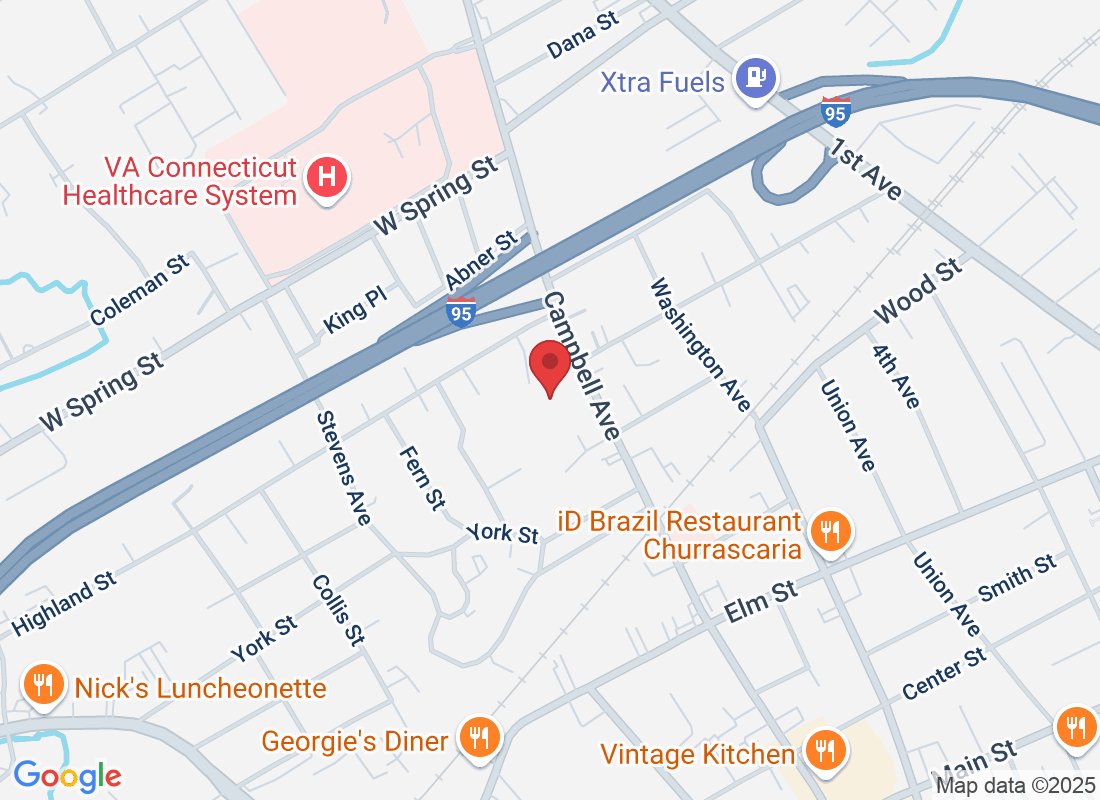
Where To Find West Haven Foot and Ankle Center
If you have any questions before scheduling an appointment or for general inquiries, please use the contact us button below. Our team will promptly reach out to assist you.
Opening Hours
Monday: 8am - 5pm
Tuesday: 8am - 5pm
Wednesday: Closed
Thursday: 8am - 5pm
Friday: 8am - 5pm
Saturday: Closed
Sunday: Closed