Tips & Advice From West Haven Foot and Ankle Center

What Makes Wounds Heal Slowly? Insights from West Haven Foot and Ankle Center
What Makes Wounds Heal Slowly? Insights from West Haven Foot and Ankle Center
At the West Haven Foot and Ankle Center in West Haven, Connecticut, we understand that wound healing can be a complex process influenced by various factors. Slow-healing wounds can lead to discomfort, complications, and decreased quality of life. In this article, we’ll explore the reasons behind slow wound healing, specific conditions that affect recovery, and potential treatment options.
What Causes Wounds to Heal Slowly?
Several factors contribute to delayed wound healing, including:
- Poor Circulation: Conditions such as peripheral artery disease reduce blood flow to the extremities, impairing the delivery of oxygen and nutrients essential for healing.
- Diabetes: Elevated blood sugar levels can damage nerves and blood vessels, leading to peripheral neuropathy and decreased wound healing ability.
- Infection: Chronic infections impede the healing process, causing inflammation and further tissue damage.
- Age: Older adults may experience slower healing due to decreased skin elasticity, immune response, and overall metabolic rate.
- Inadequate Nutrition: Essential nutrients like vitamins A, C, E, and minerals such as zinc play crucial roles in cellular repair and regeneration.
- Comorbid Conditions: Conditions such as obesity, kidney disease, and autoimmune disorders can lead to slower healing and increased complications.
How Can I Treat Slow-Healing Wounds?
If you or a loved one is experiencing slow-healing wounds, here are crucial steps to consider:
- Consult a Podiatrist: At West Haven Foot and Ankle Center, our specialists can assess your condition and provide tailored treatment plans.
- Optimize Blood Circulation: Engage in regular physical activity and consider lifestyle modifications such as quitting smoking to enhance blood flow.
- Manage Diabetes: Control blood sugar levels through medication, diet, and regular monitoring to promote better healing.
- Wound Care: Keep wounds clean and covered. Advanced wound care treatments, such as debridement or specialty dressings, may be necessary.
- Nutrition Support: Incorporate nutrient-rich foods into your diet and consider supplements as advised by your healthcare provider.
- Consider Hyperbaric Oxygen Therapy: This cutting-edge treatment increases oxygen delivery to tissues, supporting the healing of chronic wounds.
What Foot Conditions Affect Wound Healing?
Several foot conditions can significantly complicate the healing process:
- Diabetic Foot Ulcers: Common among diabetic patients due to reduced blood flow and nerve damage, these ulcers require vigilant care.
- Venous Stasis Ulcers: These are caused by poor blood return from the legs and can become chronic if not appropriately managed.
- Plantar Warts: Though not serious, these can disrupt skin integrity and lead to secondary infections.
- Fungal Infections: Conditions like athlete's foot contribute to skin breakdown, making wounds more susceptible to infections.
How Can I Prevent Wound Healing Issues?
Prevention is key to avoiding slow-healing wounds. Here are some preventive measures:
- Regular Foot Inspections: Check your feet daily for any injuries, blisters, or sores, especially if you have diabetes.
- Proper Footwear: Wear well-fitting shoes that provide adequate support to prevent blisters or calluses.
- Maintain Hygiene: Keep your feet clean and dry to prevent infections.
- Manage Chronic Diseases: Effectively manage conditions like diabetes and hypertension through regular medical check-ups.
Frequently Asked Questions (FAQ)
- What is the typical healing time for wounds? Healing time varies based on wound size, location, type, and individual health factors. Minor cuts may heal within a week, while deeper wounds can take several weeks or months.
- Can I treat slow-healing wounds at home? While some simple wounds can be managed at home, persistent or slow-healing wounds should be assessed by a healthcare professional to prevent complications.
- What are the signs of an infected wound? Signs include increased redness, swelling, warmth, pus, or foul odor, and you may also experience fever.
- Is there a link between ulcers and diabetes? Yes, diabetes significantly increases the risk of foot ulcers due to nerve damage and poor circulation.
- How often should I visit a podiatrist for foot care? It is advisable to schedule regular check-ups, especially if you have underlying conditions like diabetes, to ensure optimal foot health.
Conclusion
Understanding the factors that contribute to slow wound healing is crucial for effective management and prevention. At the West Haven Foot and Ankle Center in West Haven, Connecticut, our experienced team is dedicated to providing comprehensive care for all podiatric concerns. If you're struggling with a slow-healing wound or any foot-related issue, don’t hesitate to reach out to us.
Book an appointment today and take the first step towards healthier feet!

Ask West Haven Foot and Ankle Center And Their Team
Fill in the form to request a call from our team. One of our team members will call you for FREE and answer any questions or concerns you may have about your condition
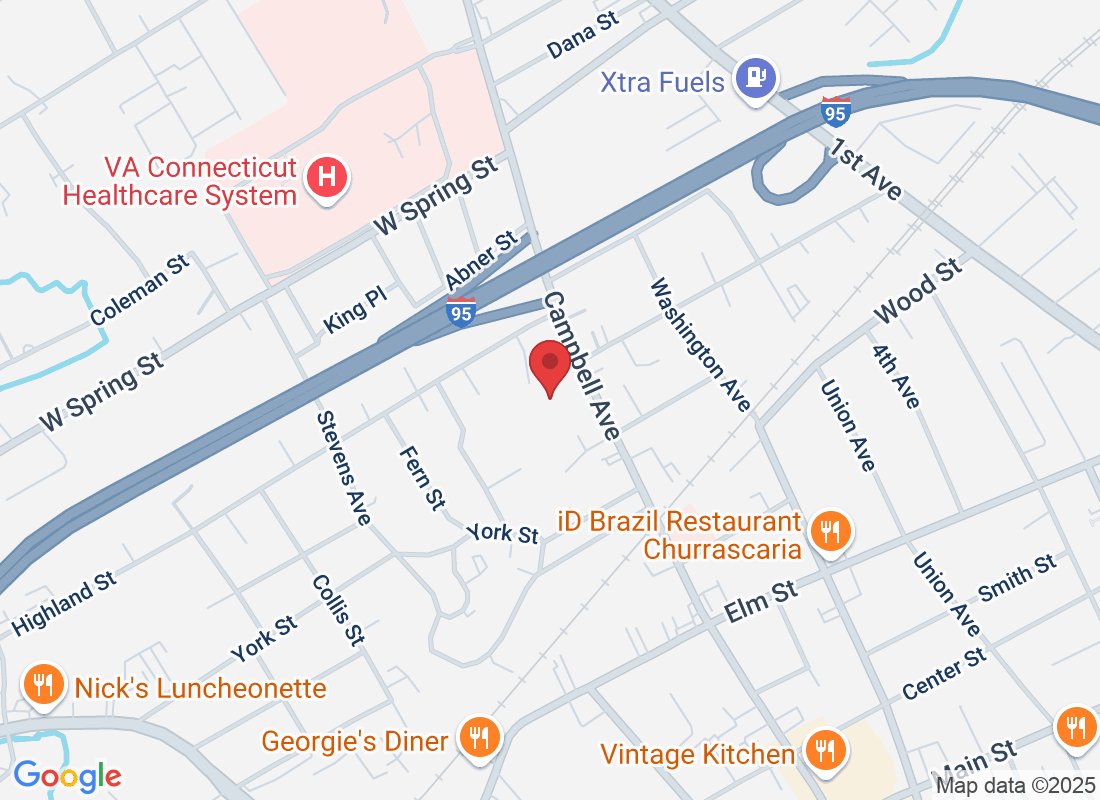
Where To Find West Haven Foot and Ankle Center
If you have any questions before scheduling an appointment or for general inquiries, please use the contact us button below. Our team will promptly reach out to assist you.
Opening Hours
Monday: 8am - 5pm
Tuesday: 8am - 5pm
Wednesday: Closed
Thursday: 8am - 5pm
Friday: 8am - 5pm
Saturday: Closed
Sunday: Closed