Tips & Advice From West Haven Foot and Ankle Center

How to Prevent Ingrown Toenails in West Haven
How to Prevent Ingrown Toenails in West Haven
Ingrown toenails are a common foot condition that can cause significant pain and discomfort. At the West Haven Foot and Ankle Center in West Haven, Connecticut, we understand the impact that this condition can have on your daily life. In this blog post, we will explore the causes of ingrown toenails, practical prevention strategies, and effective treatment options.
What Causes Ingrown Toenails?
Ingrown toenails occur when the edges of the toenail grow into the surrounding skin, often leading to inflammation, pain, and even infection. Several factors can contribute to this condition:
- Poor Nail Trimming: Cutting nails too short or rounding the edges can encourage them to grow into the skin.
- Tight Footwear: Wearing shoes that constrict the toes can apply pressure on the toenails.
- Genetic Predisposition: Some individuals may have a hereditary tendency to develop ingrown toenails due to the shape of their nails.
- Trauma: Injuries to the toe, including stubbing or repetitive pressure from sports, can lead to ingrowth.
- Foot Conditions: Conditions such as fungal infections or foot deformities can alter nail growth patterns.
How Can I Prevent Ingrown Toenails?
Preventing ingrown toenails requires a combination of proper nail care, footwear choices, and attention to foot health. Here are several effective strategies:
- Trim Your Nails Correctly: Cut your toenails straight across and avoid rounded edges. Keep them at a moderate length, ensuring they do not extend beyond the toes.
- Choose Proper Footwear: Wear shoes that fit well and provide adequate space for your toes. Avoid tight shoes and high heels that can cause compression.
- Moisturize Feet: Keep the skin around your toenails moisturized to prevent the skin from hardening and becoming more susceptible to ingrowth.
- Practice Foot Hygiene: Wash your feet regularly and dry them thoroughly, especially between the toes, to prevent fungal infections.
- Avoiding Trauma: Be cautious during physical activities that could result in toe injuries, such as kickboxing or soccer, where foot impacts are prevalent.
How Can I Treat Ingrown Toenails?
If you already have an ingrown toenail, appropriate treatment is crucial to alleviate pain and prevent further complications:
- Soak Your Feet: Soaking your feet in warm, soapy water for 15-20 minutes can help reduce swelling and soften the skin.
- Medicated Ointments: Over-the-counter antibiotic ointments can be applied to prevent or treat infection.
- Padding: Using cotton or gauze to cushion the affected toe can reduce discomfort and protect it while it heals.
- Consult a Podiatrist: If symptoms worsen or do not improve, seeing a specialist, such as those at the West Haven Foot and Ankle Center, is essential. Professional treatment may involve partial nail removal or, in certain cases, nail surgery to prevent recurrence.
Can Ingrown Toenails Recur?
Yes, ingrown toenails can recur, especially if the underlying causes are not addressed. Following proper nail care practices and wearing appropriate footwear can significantly reduce the risk of recurrence. If you have frequent instances of ingrown toenails, consult with a podiatrist for tailored advice and treatment options.
When Should I See a Doctor?
Seek medical attention if you experience:
- Severe pain that is not relieved by home care.
- Signs of infection, such as pus, increased swelling, or fever.
- Recurrent issues with ingrown toenails.
Frequently Asked Questions (FAQ)
- What are the symptoms of an ingrown toenail? Symptoms include pain, redness, swelling, and sometimes infection at the corners of the toenail.
- Can I treat ingrown toenails at home? Minor cases may be treated at home with soaking, antiseptic treatments, and proper nail care; however, persistent problems should be evaluated by a doctor.
- Does wearing sandals help prevent ingrown toenails? Yes, sandals that fit properly can provide extra space for the toes, reducing the risk of ingrowth.
- Are certain people more prone to ingrown toenails? Yes, those with a family history, certain foot conditions, or nail deformities may have a higher risk.
- Is nail surgery necessary for ingrown toenails? Sometimes, if conservative treatments fail, surgical removal of part of the nail may be required to prevent recurrence.
At West Haven Foot and Ankle Center, we are dedicated to helping our patients maintain optimal foot health. If you have concerns about ingrown toenails or are looking for guidance on foot care, we invite you to schedule an appointment with our experienced team. Visit our booking link to arrange your visit today: Book an appointment.

Ask West Haven Foot and Ankle Center And Their Team
Fill in the form to request a call from our team. One of our team members will call you for FREE and answer any questions or concerns you may have about your condition
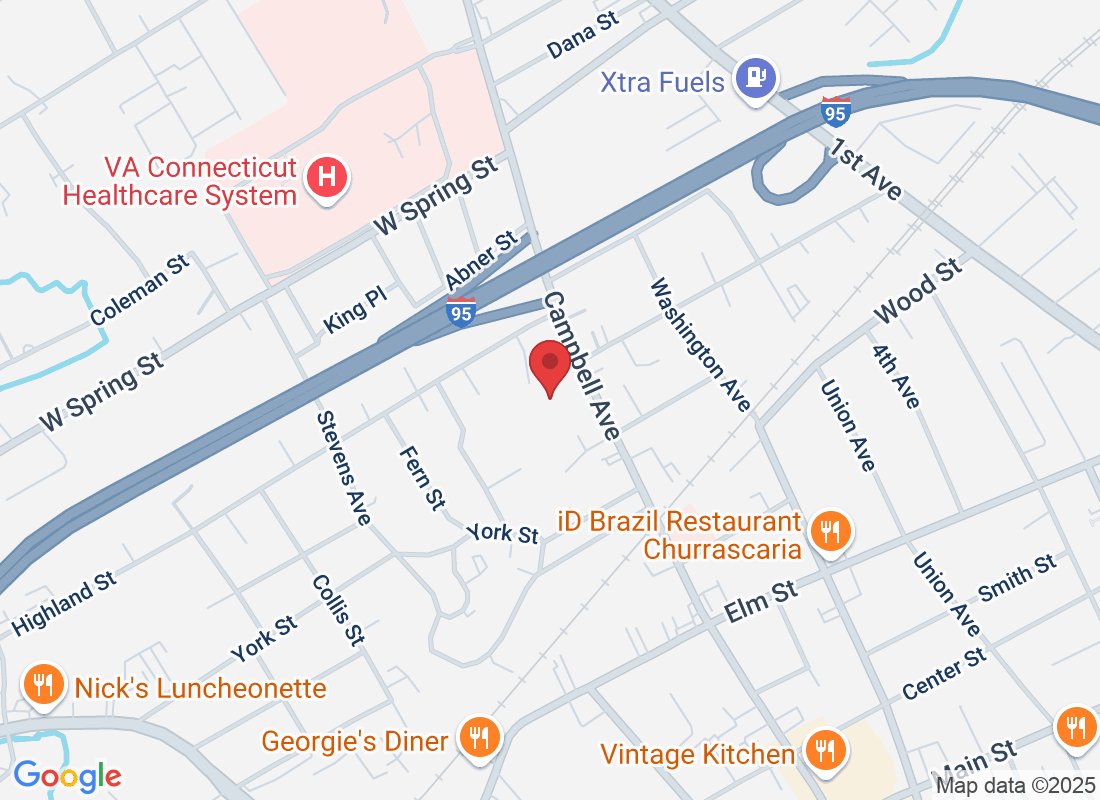
Where To Find West Haven Foot and Ankle Center
If you have any questions before scheduling an appointment or for general inquiries, please use the contact us button below. Our team will promptly reach out to assist you.
Opening Hours
Monday: 8am - 5pm
Tuesday: 8am - 5pm
Wednesday: Closed
Thursday: 8am - 5pm
Friday: 8am - 5pm
Saturday: Closed
Sunday: Closed